
Across New York, homeowners are paying more attention to reliable power than ever before. From Buffalo to Rochester and throughout Central New York, storms, winter outages, and growing energy demands have made backup power a must. While energy storage systems and whole-home generators serve different purposes, they can work together to keep your lights, heat, and appliances running when the grid goes down.
Home Power Systems installs dependable generators that provide instant, automatic backup power during outages. Here’s how generators complement modern energy storage systems and why both can be part of a smarter, more secure home energy plan.
The Role of Home Generators in Backup Power
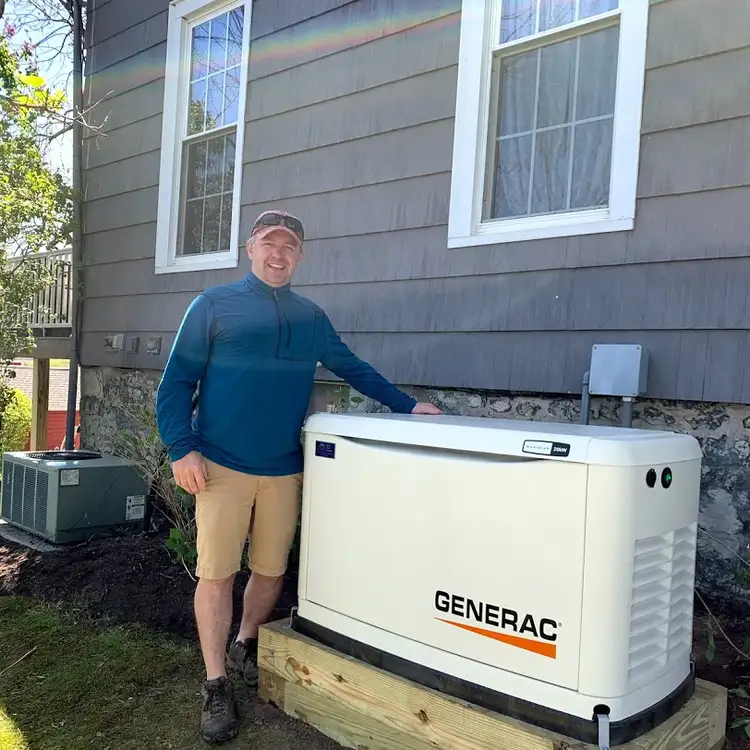
A whole-home generator is designed to keep power flowing when the grid fails. It connects directly to your home’s electrical system and runs on natural gas or propane, starting automatically within seconds of an outage.
Generators provide continuous power as long as there’s fuel. That makes them ideal for New York homeowners who rely on electricity for heating, well pumps, or home medical equipment. During extended outages, especially in Syracuse’s harsh winters, a generator can power furnaces, refrigerators, and critical systems without interruption.
What Is Residential Energy Storage?
Residential energy storage, often called a home battery or battery storage system, stores electricity generated by solar panels or drawn from the grid when rates are low. During an outage, the stored energy powers essential circuits, keeping lights, appliances, and devices running.
Unlike a generator, energy storage operates silently and doesn’t rely on fuel. However, its capacity is limited. Once the stored energy is used up, the battery must recharge, typically through solar panels or grid power once the outage ends.
Home Power Systems does not install energy storage systems, but many New York homeowners pair them with generators to create a complete energy solution.
How Generators and Energy Storage Work Together
In a hybrid setup, a generator and a battery system share the job of providing reliable electricity. The battery handles everyday power management, storing solar or grid energy for short-term outages or evening use. The generator acts as backup support when the battery runs low or during long outages.
This partnership offers flexibility. In areas like Buffalo, where power outages can last hours or even days, the battery covers immediate needs while the generator steps in for extended use. The generator can also recharge the battery, ensuring continuous operation even without sunlight or grid power.
Local weather plays a big role here. New York’s snowstorms, high winds, and freezing temperatures can strain power lines. A hybrid energy setup helps homeowners stay comfortable and safe through unpredictable conditions.
Benefits of Combining Energy Storage with Generators
- Reliable, uninterrupted power: Batteries cover short outages instantly while generators maintain long-term power.
- Lower fuel use: The generator only runs when the battery is low, reducing fuel costs and emissions.
- Quiet operation: Batteries handle small, frequent outages silently, minimizing generator noise.
- Energy efficiency: Stored power offsets daily energy use, saving money over time.
- Flexibility: Works for homes with or without solar energy systems.
- Peace of mind: Protects essential systems like heating, refrigeration, and medical equipment during extended outages.
Factors to Consider When Integrating Both Systems
Before combining a battery system with a generator, homeowners should think about a few important factors.
- System compatibility: Not all batteries and generators are designed to work together. Consult a qualified electrician or installer to confirm integration.
- Load requirements: Consider which circuits or appliances need power during an outage. A professional can size the system accordingly.
- Fuel availability: Natural gas and propane are reliable fuel options across most of New York, but capacity planning ensures long-term power.
- Maintenance: Generators require periodic testing, oil changes, and inspections to stay ready for use.
- Upfront investment: A hybrid setup costs more initially but pays off through lower maintenance and energy savings over time.
- Local codes and permits: Electrical and plumbing work must meet New York’s safety and environmental standards.
For homes without solar power or large energy storage systems, a whole-home generator remains the most reliable, cost-effective backup solution.
The Future of Home Energy Independence
Energy storage and generator technology are evolving quickly. As more New York homeowners add solar panels and smart-home systems, combining these technologies will become even more common. Batteries will manage short-term energy needs and help reduce grid reliance, while generators will remain the steady foundation for long-term, all-weather backup power.
Home Power Systems continues to focus on dependable residential generators, providing New York homeowners with solutions that work every time, no matter the weather.
Residential Backup Power FAQs
What’s the main difference between energy storage and a generator?
A generator uses fuel to create electricity, while a battery stores electricity from another source. Generators last through long outages; batteries are best for short-term use.
Can a generator charge a battery system?
Yes, many hybrid systems allow the generator to recharge the battery during an outage for continuous power.
Is energy storage required for a home generator?
No. Most homeowners in New York rely solely on a generator for backup power, especially in areas with frequent storms or long outages.
What size generator do I need for my home?
That depends on your home’s electrical load. Home Power Systems can size and install a generator that powers your entire home or just essential circuits.
How long will my generator run during an outage?
With a steady fuel supply, a generator can run as long as needed. We recommend keeping propane tanks filled and scheduling regular maintenance.
Can a generator improve my home’s energy efficiency?
Generators provide reliability, not direct energy savings. However, pairing a generator with a smart energy system can help balance usage and reduce waste.
Call us for service.


